
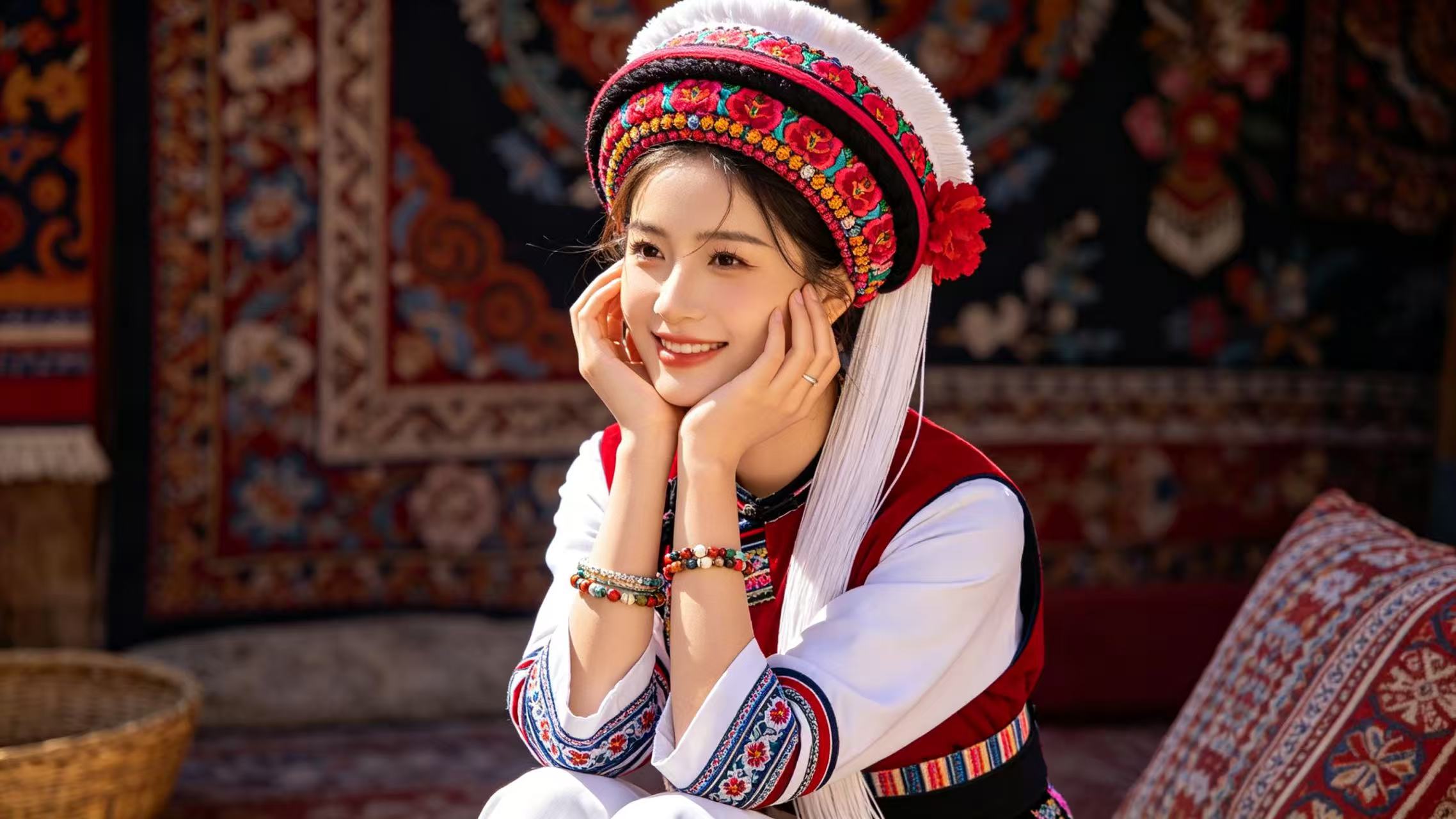
Handcrafted ethnic bracelets—whether Miao silver, Tibetan turquoise, Nepalese woven, or Bohemian beaded—are more than just accessories; they’re pieces of culture, craftsmanship, and personal meaning. Unlike mass-produced jewelry, these unique pieces require gentle care to preserve their beauty, integrity, and cultural charm for years to come. Whether you’ve invested in a delicate Miao silver bracelet, a spiritual Tibetan turquoise piece, a durable Nepalese woven design, or a colorful Bohemian stack, proper care ensures your favorite ethnic bracelets stay vibrant and intact. In this guide, we’ll share essential care tips tailored to these popular ethnic styles, plus general best practices to keep your handcrafted treasures looking their best.
Why Ethnic Bracelet Care Matters
Most ethnic bracelets are crafted with natural materials—silver, turquoise, beads, leather, cotton, and hand-painted elements—that are sensitive to everyday wear, moisture, and environmental factors. Many are also made using traditional, delicate techniques, making them more prone to damage if not cared for properly. Proper care not only extends the life of your bracelet but also preserves its cultural integrity: each scratch, fade, or break can diminish the artistry and meaning behind the piece. By following these simple care tips, you can enjoy your handcrafted ethnic bracelets for years, passing them down as meaningful keepsakes or continuing to wear them as a reflection of your style and cultural appreciation.
Style-Specific Care Tips: Miao, Tibetan, Nepalese & Bohemian
Each ethnic bracelet style has unique materials and craftsmanship, so tailored care is key. Below, we break down care tips for four popular styles, focusing on their most delicate features and how to protect them.
1. Miao Ethnic Bracelets (Silver & Beaded)
Miao ethnic bracelets are renowned for their intricate silver filigree work and delicate beading—two elements that require gentle care to avoid damage. Silver is prone to tarnishing, while the small beads and detailed engravings can easily catch or break if mishandled.
- Tarnish Prevention: Silver Miao bracelets will naturally tarnish over time (exposure to air, moisture, and skin oils causes this). To prevent tarnish, remove your bracelet before washing your hands, showering, swimming, or applying lotions, perfumes, or hair products—chemicals in these products speed up tarnishing. When not wearing, store your Miao bracelet in an airtight container (like a jewelry box with anti-tarnish lining) or a sealed plastic bag with a silica gel packet to absorb moisture.
- Cleaning Silver: If your Miao silver bracelet tarnishes, use a soft silver polishing cloth (avoid harsh chemical polishes, which can damage the delicate filigree). Gently rub the cloth over the silver surfaces—do not scrub, as this can scratch the intricate engravings. For hard-to-reach areas (like small filigree details), use a soft-bristled toothbrush dipped in a mild solution of warm water and dish soap, then pat dry immediately with a soft cloth.
- Protecting Beads & Engravings: Avoid pulling or tugging on the beads or filigree work, as this can loosen or break them. Remove your Miao bracelet before engaging in physical activities (like exercise, gardening, or cooking) to prevent damage from impact or friction.
2. Tibetan Ethnic Bracelets (Turquoise, Silver & Beaded)
Tibetan ethnic bracelets often feature turquoise, silver, and natural beads—materials that are sensitive to moisture, chemicals, and physical damage. Turquoise is a porous stone, meaning it can absorb liquids and chemicals, while silver tarnishes easily, and beads can crack or chip.
- Turquoise Care: Turquoise is delicate—avoid exposing it to water, perfumes, lotions, or harsh chemicals, as these can discolor or damage the stone. If your Tibetan bracelet gets wet, pat it dry immediately with a soft cloth and let it air dry completely (do not use a hair dryer, as heat can crack the stone). Never soak turquoise in water, as this can cause it to lose its color or become brittle.
- Silver & Bead Care: Follow the same silver care tips as Miao bracelets (anti-tarnish storage, gentle polishing). For natural beads (like amber or lapis lazuli), avoid dropping the bracelet, as beads can crack or chip. Clean beads with a dry, soft cloth—do not use water or cleaning products, as they can damage the surface.
- Storage: Store your Tibetan bracelet separately from other jewelry to avoid scratches (turquoise and silver can be scratched by harder metals or stones). Use a soft jewelry pouch or a divided jewelry box to keep it safe.
3. Nepalese Ethnic Bracelets (Woven, Leather & Wooden Beads)
Nepalese ethnic bracelets are typically handwoven with cotton or wool threads, paired with leather or wooden beads—materials that are durable but sensitive to moisture and direct sunlight. The woven threads can fray, while leather can dry out and crack, and wooden beads can warp or fade.
- Woven Thread Care: Avoid getting woven Nepalese bracelets wet—water can cause the threads to fray, shrink, or lose their color. Remove your bracelet before showering, swimming, or being in the rain. If it does get wet, lay it flat on a soft cloth and let it air dry naturally (do not hang it, as this can stretch the threads).
- Leather & Wooden Bead Care: Leather can dry out over time, so condition it occasionally with a small amount of leather conditioner (apply a tiny drop to a soft cloth and rub gently on the leather parts). Wooden beads can fade in direct sunlight, so avoid leaving your bracelet in bright, direct light for extended periods. Clean wooden beads with a dry cloth—do not use water, as this can cause them to warp.
- Preventing Fraying: Avoid pulling on the woven threads or beads, as this can cause fraying or breakage. If a thread starts to fray, trim it gently with small scissors to prevent it from unraveling further.
4. Bohemian Ethnic Bracelets (Beaded, Leather & Macramé)
Bohemian ethnic bracelets are all about layering, color, and texture—featuring beaded designs, leather cuffs, and macramé weaving. These materials are diverse, so care varies, but the key is to protect against moisture, friction, and damage from chemicals.
- Beaded & Macramé Care: Macramé threads (often cotton or nylon) can fray or stretch if exposed to water or pulled too hard. Remove your Bohemian bracelet before washing hands, swimming, or applying lotions. If the macramé gets dirty, spot clean it with a damp cloth and mild soap, then air dry completely. Beads (especially glass or plastic) can scratch or break if dropped, so handle with care.
- Leather Cuff Care: Leather Bohemian cuffs can dry out and crack, so condition them with leather conditioner every few months. Avoid getting leather wet—if it does get wet, pat dry immediately and let it air dry. Do not use heat to dry leather, as this can cause it to shrink or crack.
- Stacking Care: Bohemian bracelets are often stacked, but avoid stacking them with heavy or sharp jewelry (like metal bangles) that can scratch or damage the beads, leather, or macramé. Stack similar materials together (e.g., beaded bracelets with other beaded bracelets) to minimize friction.
General Care Tips for All Ethnic Bracelets
No matter which ethnic style you own, these general care tips will help keep your bracelet in top condition:
- Remove Before Daily Activities: Take off your ethnic bracelet before washing hands, showering, swimming, exercising, gardening, or cooking. This prevents exposure to water, chemicals, dirt, and impact that can damage the materials.
- Avoid Chemical Exposure: Keep your bracelet away from perfumes, lotions, hairspray, sunscreen, and cleaning products. These chemicals can discolor, tarnish, or damage natural materials (like turquoise, silver, and leather).
- Store Properly: When not wearing, store your bracelet in a cool, dry place. Use a soft jewelry pouch, airtight container, or divided jewelry box to protect it from scratches, tarnish, and moisture. For silver bracelets, add an anti-tarnish strip or silica gel packet to the storage container.
- Clean Regularly: Wipe your bracelet with a soft, dry cloth after each wear to remove skin oils, dirt, and debris. This prevents buildup that can damage the materials over time.
- Handle with Care: Avoid dropping, pulling, or tugging on your bracelet. Most ethnic bracelets are handcrafted and delicate, so gentle handling is key to preventing breakage.
- Professional Cleaning (When Needed): For heavily tarnished silver, damaged beads, or intricate pieces (like Miao filigree), consider professional jewelry cleaning. Look for a jeweler who specializes in handcrafted or ethnic jewelry to avoid damage.
Troubleshooting Common Ethnic Bracelet Issues
Even with proper care, you may encounter small issues with your ethnic bracelet. Here’s how to fix common problems:
- Tarnished Silver: Use a silver polishing cloth or a mild silver cleaner (avoid harsh chemicals) to remove tarnish. For delicate filigree, use a soft-bristled toothbrush to reach small areas.
- Frayed Woven Threads: Trim frayed threads gently with small scissors. If the weaving is unraveling, use a tiny drop of fabric glue to secure the thread (be careful not to get glue on visible parts of the bracelet).
- Dry, Cracked Leather: Apply a small amount of leather conditioner to the leather parts, rubbing gently with a soft cloth. Let it absorb completely before wearing.
- Discolored Turquoise: If turquoise becomes discolored from water or chemicals, gently wipe it with a dry cloth and let it air dry. Avoid using cleaning products, as they can make the discoloration worse.
Final Thoughts: Care for Your Ethnic Bracelets, Preserve Their Story
Your ethnic bracelets are more than just jewelry—they’re handcrafted pieces with stories of culture, tradition, and artistry. By following these care tips, you’re not just protecting your accessory; you’re preserving the craftsmanship and meaning behind each piece. Whether it’s a Miao silver bracelet, a Tibetan turquoise piece, a Nepalese woven design, or a Bohemian stack, gentle care will ensure your bracelet stays beautiful and meaningful for years to come. Remember, the more you care for your ethnic bracelets, the longer you’ll be able to wear and cherish them.