

Dai bracelets are more than just handcrafted accessories— they are pieces of cultural heritage, symbols of meaning, and cherished keepsakes that carry stories of the Dai people of Xishuangbanna. Whether you’ve received a Dai bracelet as a gift from a best friend, purchased it as a memento of your trip to Yunnan, or simply fell in love with its intricate craftsmanship, you’ll want to keep it looking its best for years to come. Like all handcrafted jewelry, Dai bracelets require proper care and maintenance to preserve their luster, detail, and durability. The good news is that maintaining a Dai bracelet is simple and straightforward, as long as you follow the right tips tailored to its unique materials and craftsmanship. In this guide, we’ll share the best maintenance methods for different types of Dai bracelets, helping you protect your precious piece and keep its beauty timeless.
-
- Hmong
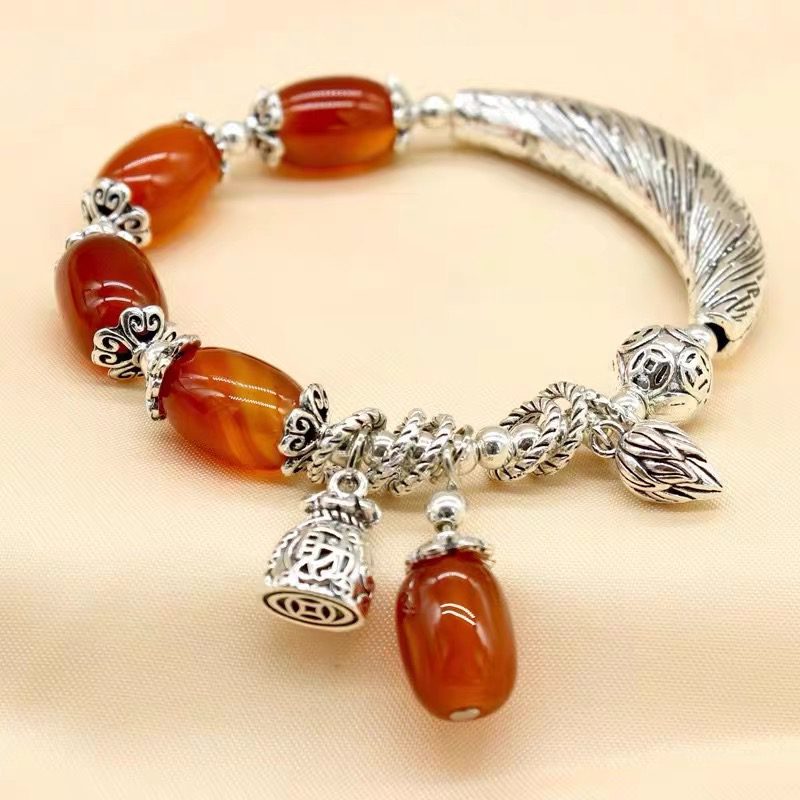
- Agate bracelet
- $43.99
- Handcrafted Boho Red Agate Silver Bracelet for Women Ethnic Style…
- Select options This product has multiple variants. The options may be chosen on the product page
-
- Jingdezhen
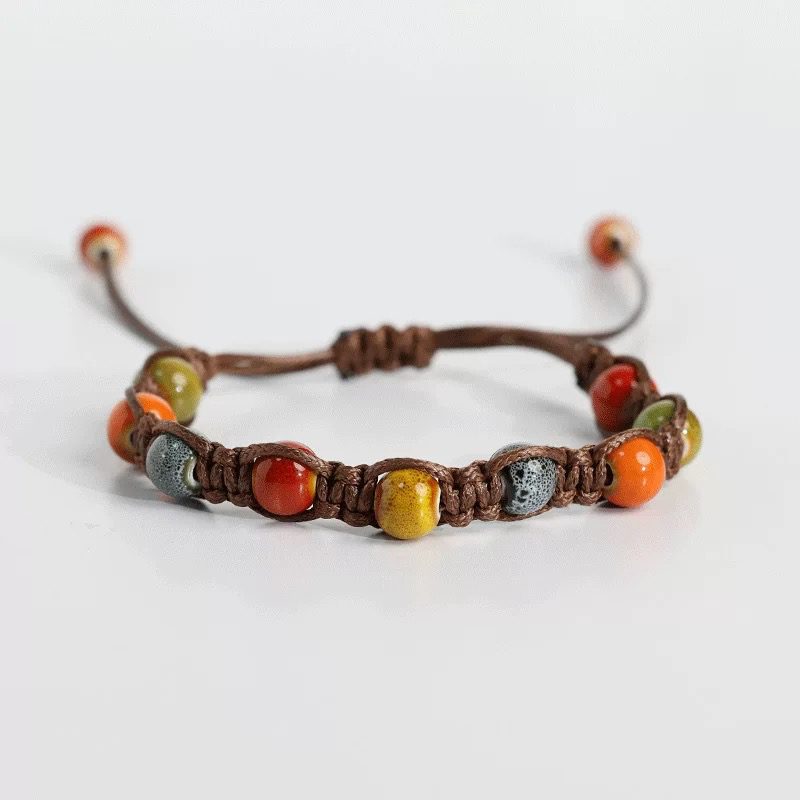
- Artisan bracelet
- $42.99
- Handmade Woven Colorful Ceramic Beaded Bracelet Adjustable Vintage Boho Jewelry…
- Select options This product has multiple variants. The options may be chosen on the product page
1. Understand Your Dai Bracelet’s Material: The First Step to Proper Care
Before diving into maintenance tips, it’s essential to know what your Dai bracelet is made of— different materials require different care methods. Most Dai bracelets fall into two main categories: silver Dai bracelets (the most common type) and woven thread Dai bracelets, with some pieces combining both materials or inlaid with gemstones. Understanding the material will help you avoid mistakes that could damage your bracelet, such as using harsh cleaners on delicate threads or exposing silver to substances that cause oxidation.
Silver Dai bracelets, often made of 925 sterling silver or pure silver, are beloved for their warm luster and malleability, which allows artisans to create intricate carvings. However, silver is prone to oxidation— a natural process that causes it to turn black or dull when exposed to air, moisture, or certain chemicals. Woven thread Dai bracelets, on the other hand, are made of natural or dyed threads, which are lightweight and comfortable but can fade or fray if not cared for properly. For bracelets with gemstone inlays (such as jade or red agate), extra care is needed to protect the stones from scratches and damage.
2. Daily Maintenance Tips: Simple Habits to Protect Your Dai Bracelet
The key to keeping your Dai bracelet in good condition is to incorporate simple maintenance habits into your daily routine. These small steps will prevent damage, slow down oxidation, and keep your bracelet looking vibrant for years.
First, remove your Dai bracelet before engaging in certain activities. This is especially important for silver bracelets, as exposure to moisture and chemicals can accelerate oxidation. Take off your bracelet before showering, swimming, or soaking in hot springs— chlorine in swimming pools and salt in seawater are particularly harmful to silver, as they can cause discoloration and corrosion. You should also remove your bracelet before applying perfume, lotion, or cosmetics, as the chemicals in these products can damage both silver and woven threads, causing fading or tarnishing. For woven thread bracelets, avoid getting them wet altogether, as prolonged exposure to moisture can cause the threads to shrink, fray, or lose their color.
Second, clean your bracelet gently after each wear. For silver Dai bracelets, use a soft, dry cloth (such as a microfiber cloth or a professional silver-polishing cloth) to wipe away any sweat, oil, or dust that has accumulated on the surface. This simple step helps prevent oxidation by removing substances that react with silver. For woven thread bracelets, use a dry, soft brush (like a makeup brush) to gently brush off any dust, being careful not to pull or fray the threads. Avoid using water or cleaners on woven bracelets unless absolutely necessary.
Third, store your Dai bracelet properly when not in use. Proper storage is crucial for preventing oxidation, scratches, and damage. For silver bracelets, store them in an airtight container, such as a sealed jewelry box or a soft pouch, to reduce exposure to air and moisture— this slows down the oxidation process significantly. You can also add a small piece of chalk or a silica gel packet to the container to absorb excess moisture. For woven thread bracelets, store them in a dry, cool place, away from direct sunlight, which can cause the threads to fade. Avoid storing multiple bracelets together in the same container, as they can scratch each other, especially if they have sharp edges or gemstone inlays.
3. Deep Cleaning Methods: Restore Your Dai Bracelet’s Luster
Even with daily care, your Dai bracelet may eventually lose some of its luster— silver may tarnish, and woven threads may become dull. When this happens, a gentle deep cleaning can restore its beauty. It’s important to use methods that are safe for your bracelet’s material, as harsh cleaners can damage the craftsmanship or materials.
For silver Dai bracelets, there are several safe deep cleaning methods. One of the simplest and most effective methods is using toothpaste: apply a small amount of non-abrasive toothpaste to a soft-bristled toothbrush, gently scrub the surface of the bracelet (paying extra attention to intricate carvings where dirt may accumulate), then rinse with warm water and dry thoroughly with a soft cloth. Another method is using a baking soda and salt solution: mix equal parts baking soda and salt in a stainless steel bowl, add warm water to create a paste, soak the bracelet for 10-15 minutes, gently scrub with a soft brush, then rinse and dry. For stubborn tarnish, you can use a professional silver cleaner, but be sure to follow the instructions carefully and rinse the bracelet thoroughly afterward to avoid leaving residue.
For woven thread Dai bracelets, deep cleaning should be done sparingly and gently. If your woven bracelet gets dirty, spot-clean it with a damp, soft cloth— dip the cloth in warm water with a small amount of mild, gentle detergent, wring it out thoroughly (so it’s only slightly damp), and gently wipe the dirty areas. Avoid scrubbing or soaking the bracelet, as this can cause the threads to fray or fade. After spot-cleaning, lay the bracelet flat to air dry completely in a cool, dry place, away from direct sunlight or heat sources.
For Dai bracelets with gemstone inlays, avoid using harsh cleaners or abrasive tools, as these can scratch or damage the gemstones. Instead, use a soft, damp cloth to gently wipe the gemstones and silver parts, then dry thoroughly. For more stubborn dirt, you can use a small amount of mild detergent mixed with warm water, but be sure to rinse well and dry immediately to prevent moisture from getting trapped between the gemstone and the silver setting.
4. Common Mistakes to Avoid: Protect Your Dai Bracelet from Damage
Even with the best intentions, many people make mistakes when caring for their Dai bracelets that can cause unnecessary damage. Here are some common mistakes to avoid:
• Avoid using harsh chemicals: Never use bleach, ammonia, or other harsh cleaning products on your Dai bracelet— these chemicals can corrode silver, fade woven threads, and damage gemstones. This includes household cleaners, nail polish remover, and even some perfumes and lotions.
• Don’t scrub too hard: When cleaning your bracelet, especially silver ones with intricate carvings, avoid scrubbing too hard or using abrasive tools (like steel wool), as this can scratch the surface or wear down the delicate carvings. Stick to soft cloths and soft-bristled brushes.
• Don’t wear your bracelet during physical activity: Avoid wearing your Dai bracelet while doing heavy work, exercising, or engaging in outdoor activities that could cause it to be hit, scratched, or pulled. Silver is malleable and can bend or dent easily, while woven threads can fray or break if pulled too hard.
• Don’t store your bracelet in humid places: Storing your bracelet in a humid environment (such as a bathroom) can accelerate oxidation for silver bracelets and cause mold or mildew for woven thread bracelets. Always store your bracelet in a dry, cool place.
5. Long-Term Care: Preserve Your Dai Bracelet for Generations
Dai bracelets are timeless pieces that can be passed down from generation to generation, but they require long-term care to maintain their beauty and integrity. Here are some long-term care tips to ensure your bracelet lasts for years:
• Get your silver Dai bracelet professionally polished annually: Even with regular at-home care, silver bracelets may develop stubborn tarnish over time. Having your bracelet professionally polished once a year can restore its luster and remove any deep tarnish or scratches. Professional jewelers can also check for loose gemstones or damaged parts and make necessary repairs.
• Replace worn woven threads: If your woven thread Dai bracelet starts to fray or lose its color, you can have it repaired by a skilled artisan. Many Dai artisans offer repair services for woven bracelets, replacing worn threads while preserving the original design.
• Handle with care: Always handle your Dai bracelet gently, avoiding dropping it or pulling it. Silver bracelets can bend or dent if dropped, and woven threads can break if pulled too hard. Remember, these are handcrafted pieces that require gentle treatment.
Conclusion
Caring for a Dai bracelet is not just about preserving its physical beauty— it’s about honoring the craftsmanship, culture, and memories that it carries. With the right daily habits, gentle cleaning methods, and proper storage, you can keep your Dai bracelet looking as beautiful as the day you first got it. Whether it’s a silver bracelet with intricate carvings, a woven thread bracelet with vibrant hues, or a piece inlaid with gemstones, following these maintenance tips will ensure that it remains a cherished keepsake for years to come.
Remember, your Dai bracelet is a handcrafted treasure that deserves care and attention. By incorporating these simple maintenance tips into your routine, you can protect its beauty, preserve its cultural significance, and enjoy wearing it for many years— and even pass it down to future generations. With a little care, your Dai bracelet will continue to shine, carrying its stories and meaning for years to come.